4th Grade Language and Reading Story Elements
What Are Story Elements?

Developing a solid understanding of the elements of a story is essential for our students to follow and fully comprehend the stories they read. However, before students can understand how these elements contribute to the overall significant and effect of a story, they must outset be able to place the component parts confidently.
So, what are these elements and then? For the purpose of education our students, nosotros can usefully divide these elements into two groups.
The start group comprises the bones components of a story and is mostly taught to elementary and middle school students, while the second group consists of more than complex elements taught to more avant-garde students.
Though the elements identified below provide a comprehensive overview, they are not an exhaustive analysis of every possible element of a story.
A Consummate UNIT ON STORY ELEMENTS
☀️This HUGE resource provides you with all the TOOLS, RESOURCES, and CONTENT to teach students all about characters.
⭐75+ PAGES of INTERACTIVE READING, WRITING and COMPREHENSION content and NO Preparation REQUIRED.
Basic STORY ELEMENTS
these are the 5 key elements of a story
- Character: Depending on the nature of the story, characters are most often people or animals. Writers utilise characters to perform the actions and speak the dialogue of a story. They move a story'south plot forward. They are the who of a story. Be certain to read our complete guide to writing great characters here.
- Setting: A story'due south setting refers not just to the physical location, but also the time the activity takes place. It is the where and the when of a story.
- Plot: The plot relates to the events that happen in a story. Plot tin can be further divided into sub-elements such as: introduction, rising action, climax, falling activeness, and resolution. It is the what of the story. Plot unremarkably begins with a trouble and ends in the story's resolution. Exist sure to read our complete guide to writing a great plot here.
- Conflict: Every story worth its salt requires conflict. This disharmonize can exist thought of equally a challenge or problem that drives the action of the story. No conflict, no story. Setting upward a series of cause and issue events, disharmonize gives these events their why.
- Theme: a picayune more abstruse than the previous elements, the theme refers to the underlying insight, the moral or idea that the writer is expressing through the story. Information technology is often thought of as the 'message' of the story.
THE ULTIMATE STORY ELEMENTS TUTORIAL VIDEO (6 minutes)
More Advanced Elements
When students take gained sufficient feel in recognizing these bones story elements, they tin can and so brainstorm work on the more advanced story elements, regardless of their age.
Let'due south take a brief look at four of these more than avant-garde story elements.
- Point of View: To place the POV in a story, students must ask "who is telling the story?" Is it a first, tertiary, or even second (rare!) person narrator? Are they omniscient or express in their perspective? Does the perspective shift betwixt different characters?
- Tone: A writing's tone is established through discussion choices, employ of literary devices, grammar, rhythm, and rhyme etc. Tone is the overall 'season' of the story that is created past using all of these techniques combined. It is the attitude the writer displays towards their discipline or theme.
- Style: Related to tone in many regards, style is the private author's unique vocalism and it is over again evidenced in their word choices, plot patterns, sentence structures etc. The author's personal fashion is a strong contributor to a writing's tone.
- Mood: This is about the event the writer creates in the reader and how they evoke it through their utilize of language.
These more advanced elements are a piffling more than difficult to define than those on the basic list and therefore can be disruptive for students who are new to them. All these elements pertain to how words are used; but style too pertains to the purpose of the text, tone to the author's mental attitude to the subject, with mood being concerned with the reader's attitude to the field of study.

Why Are Story Elements Important?
In that location are many reasons students need to be well-versed in identifying the elements of a story, not to the lowest degree of which is the deeper levels of comprehension and enhanced appreciation this brings. Understanding how a story is organized is necessary for students to admission the highest levels of comprehension of that story. Understanding how a story is organized also provides students with a frame of reference that profoundly assists with call up. Frequently important, especially where exams are concerned, the implications here for subjects outside the English classroom are obvious too.
Being familiar with the various elements that combine together in proficient storytelling also helps students in their own writing. Information technology helps students to organise their thoughts and to competently weave together the various threads of their own stories. No minor feat for an experienced writer, let alone a novice!
HOW TO HELP STUDENTS Identify STORY ELEMENTS
Getting to grips with the various elements of a story begins very early with the commencement stories children hear. Often even earlier they begin elementary school. Students will take learned to identify the basic elements in stories by answering simple questions about the people in the story and the events that happened.
As students abound confident in identifying the key elements in their favorite stories, they begin to move on to more complex stories. They brainstorm to recognize the more than complex elements that crave more advanced disquisitional thinking skills.
In their simplest forms, activities to aid students in identifying story elements start with the answering of basic guided questions, before students brainstorm to motion on to more focused reading activities, a few of which we volition accept a await at hither.
USING GRAPHIC ORGANIZERS
Graphic organizers are a great style to help students in extracting the elements of a story and organizing them in a visual way that helps them to comprehend the story better. They can further assist students in remember, retelling, and summarizing. Ane of the all-time suited graphic organizers for identifying story elements is the story map.
Story Maps
Story maps help students to organize the elements of the story in a visual manner that assists in gaining that fuller comprehension. Students examine the assigned text and excerpt the information related to each element. They can so tape this data on their re-create of the story map.
Story maps easily lend themselves to being differentiated, as the instructor can select the elements most appropriate for the age and power of the students. In the commencement, students should proceeds experience identifying the basic elements in simple stories – fairy tales for instance – earlier moving on to more than sophisticated stories employing a wider range of elements.
Do in the use of story maps will run across students developing the ability to efficiently summarize the characters, setting, theme etc of any reading material instinctively. Story maps tin likewise exist used as a valuable prewriting planning exercise.
Eventually, in regards to reading, students will be able to identify a story's elements naturally, without the assist of a story map or graphic organizer of any sort – though this option will e'er remain for those who crave the additional support a story map offers.
THE STORY TELLERS BUNDLE OF TEACHING RESOURCES

A MASSIVE Collection of resources for narratives and story writing in the classroom covering all elements of crafting astonishing stories. WEEKS WORTH OF WRITING LESSONS AND Resources including:
Story Elements: 3 Practice Activities
As we have noted, for the advanced pupil there are a lot of different component parts of a story to identify and work with. We could isolate each element and build a serial of discrete lessons around each. The possibilities are endless and it is obviously impossible to cover every possibility hither. However, it is worth taking a look at three more general activities to ensure students get an overview of story elements and how they work.
Activity i: Read, Roll, and Retell
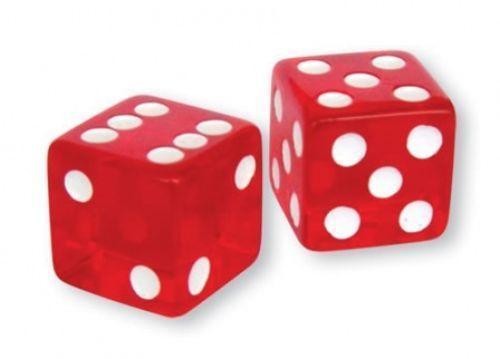
This uncomplicated activity is a fun manner for students in a grouping to review material they take recently read. Information technology begins with a student rolling a die or dice. The number they roll corresponds to a list of questions on each story element.
For example, the student rolls a 3 which corresponds to a question on the setting, such every bit Where and when did this story have identify? The student and then answers in as much particular as possible with reference to the text.
This activity tin can easily exist differentiated by increasing the number and complexity of the questions, also as by broadening the range of elements included. More than one question about each element can be included as well.
Activeness two: Pick a Part
This action works well with students working in pairs. Each pupil has a copy of the story. The diverse story elements are written on pieces of carte: character, setting, mood, tone etc. Students take turns picking out a piece of bill of fare, making certain their partner does not know which element they accept selected. They must then read a brief excerpt from the story that corresponds to that element. Their partner must try to identify the element. When their partner has successfully identified the story element, it is and so their turn to choice a menu.
Activity 3: Story graph
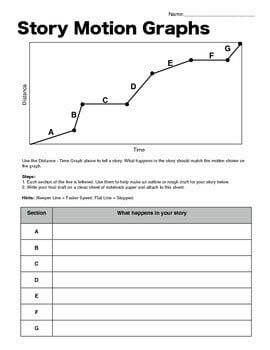
This activity works best for recording the sub-elements of the plot, such as exposition, rising action, conflict, falling action, climax and resolution. The storygraph works as a straightforward graph with the various elements above listed on the x-centrality, according to their chronological advent in the text. The y centrality represents excitement, with the nigh dramatic points plotted higher. Students plot these points for each chemical element. For example, the exposition of the story (usually respective to the setting of the scene, the introduction of the characters etc) will exist plotted quite depression in the excitement stakes, with the excitement gradually rising to the crescendo of the climax before dipping slightly for the resolution.
Students can further label these points on the graph with details of the corresponding events in the story.
Denouement
And so our own story draws to a close, but allow's review the accept-aways so that our students tin can really alive happily ever subsequently – at least as far as story elements are concerned!
When nosotros drill down into how stories work, there are a lot of elements at play. For students to comprehend a story they must develop an understanding of how the major elements interact. To do this, they volition need to first be able to place these elements accurately. This will require do in the form of discrete lessons on story elements that are progressive in difficulty.
The ideas on story maps and other activities higher up stand for a good starting point for these discrete lessons. But, it is crucial to reinforce this learning through reference and repetition in other lessons, where the main focus is not on the elements of a story themselves.
At that place is no magic at play here, just practise, do, practice. All very element-ary, my love teacher!
Download our FREE Character Trait Lists now
327 Dissimilar Grapheme TRAITS cleaved intoPOSITIVE, NEGATIVE & NEUTRAL.
These lists are excellent for helping students to describe characters and objects when writing and helps students get to know and empathise different character traits.
STORY WRITING

Once you have developed a strong understanding of story elements it'south time for your students to use them to become story creators and write some great narratives.
Ensure your students invest time in planning the essential elements (Setting, Character, Plot, Disharmonize and Theme) of a narrative and really flesh those elements out before chasing downwardly a single idea they may have had such every bit a story about a cowboy in infinite.
You lot can find our complete guide to narrative and story writing here which is a must-read earlier y'all, and your students consider writing their next bestseller.
Be certain to flip many of the activities in this article around story elements so as they come at them from the perspective of the author, more then than the audience.
OTHER Keen Articles RELATED TO STORY ELEMENTS

vii ways to write great Characters and Settings | Story Elements
STORY ELEMENTS: How to Write Nifty Characters and Settings You tin't have a good story without the characters to do things and places for them to practise those things in. In this article, we're talking about great characters and settings and how to write them. Characters and setting are 2 central ingredients that course the…
Elements of Literature
WHAT DO We MEAN By THE PHRASE 'ELEMENTS OF LITERATURE? The phrase 'elements of literature' refers to the constituent parts of a piece of work of literature in any form information technology takes: poetry, prose, or drama. Why are they important? Information technology's important students understand these common elements if they are to competently read or write a…
The Writing Procedure
The Writing Process Explained Understanding the writing process provides a student with a articulate stride-by-step process that they can follow. Information technology means they tin can replicate the process no thing what type of nonfiction text they are being asked to produce. In this article, we'll take a expect at a unproblematic and powerful v-function structure that…
Curt Story Writing for Students and Teachers
What Is a Short Story? The clue is in the championship! Curt stories are like novels only…well…shorter! They contain all the crucial elements of fully developed stories except on a smaller calibration. In short story writing, you'll discover the key story elements such as characterization, plot development, themes explored, etc, but all within a word…
How to write a scary story
How to Write a Scary Story: v Terrifying Tips to Assist Students Scare the Life Out of Readers Most of us love a good scare! From our first game of peek-a-boo equally a child, through those ghost stories around a bivouac every bit a teen, surprises and a niggling fright or two never lose their…
Narrative Writing for Teachers and Students: The Complete Guide
THE Craft OF NARRATIVE WRITING Adept narrative writing skills are hard-won by our students. They build on and encourage the development of, a good grasp of the mechanics of writing. They also crave the development of an boosted skill set, however, namely the power to tell a good yarn. Telling stories is equally old as…

v Great Narrative Lesson Plans for Students and Teachers
Learn how to write excellent stories in a single calendar week with this complete guide for teachers and students.

Narrative Writing for Kids: Essential Skills and Strategies
It's tough getting junior writers to create a well-written story, but we take some excellent strategies and communication for teachers and students here.
Acme 7 Narrative Writing Exercises for Students
Larn the essential skills for writing an excellent narrative including character creation, crusade and outcome, dialogue, tension, themes, and a determination. Learn teaching strategies to ameliorate student writing skills.

How to Write a Great Plot
What Is a Plot? When we talk of a story'due south plot, nosotros typically refer to the sequence of cause and effect events that make up the storyline. The plot is arguably the most disquisitional element of a story, though it does have ane particularly tough competitor in the shape of the character-driven narrative. Character-Driven vs….

Content for this folio has been written by Shane Mac Donnchaidh. A former principal of an international schoolhouse and university English lecturer with 15 years of instruction and administration experience. Shane's latest Book the Consummate Guide to Nonfiction Writing can be plant here. Editing and support for this article have been provided by the literacyideas team.
Source: https://literacyideas.com/teaching-story-elements/

Post a Comment for "4th Grade Language and Reading Story Elements"